
Handles
Handles in Datacenter and Server Architecture
Handles used in data centre and server architecture are engineered for high durability, space efficiency, and ease of access in dense rack environments. Typically integrated into enclosures, panels, and chassis, they support frequent maintenance cycles while maintaining secure closure and airflow integrity.
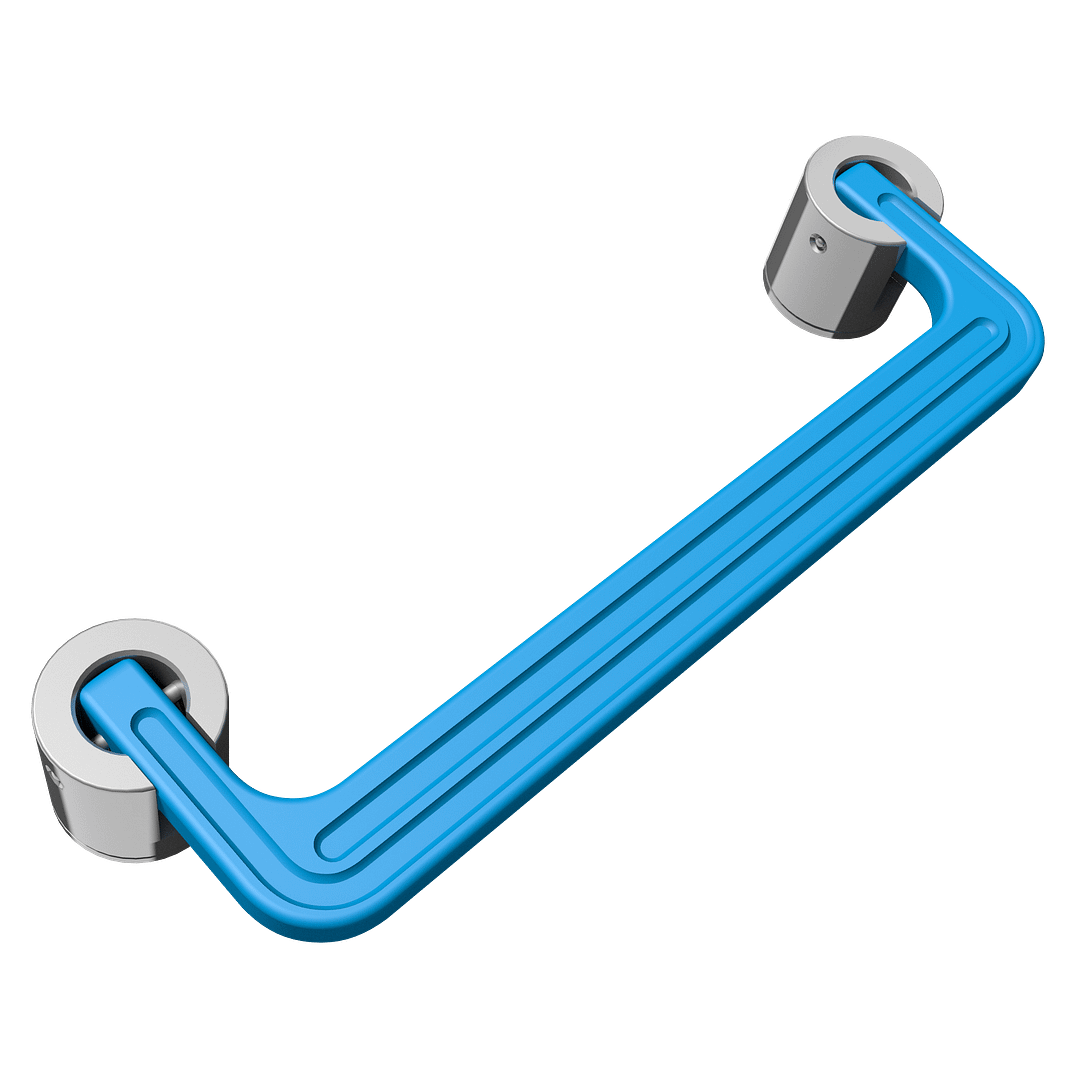
Basic Handles for access convenience
Basic handles are fixed mechanical grips designed for straightforward access to cabinet doors, panels, drawers, and equipment chassis. Commonly used in rack systems, they enable simple manual operation with moderate pull force, supporting routine access and maintenance. Typically manufactured from steel or aluminium, they offer a reliable, durable solution for standard enclosure applications.
Hinge Handles - Space Saving
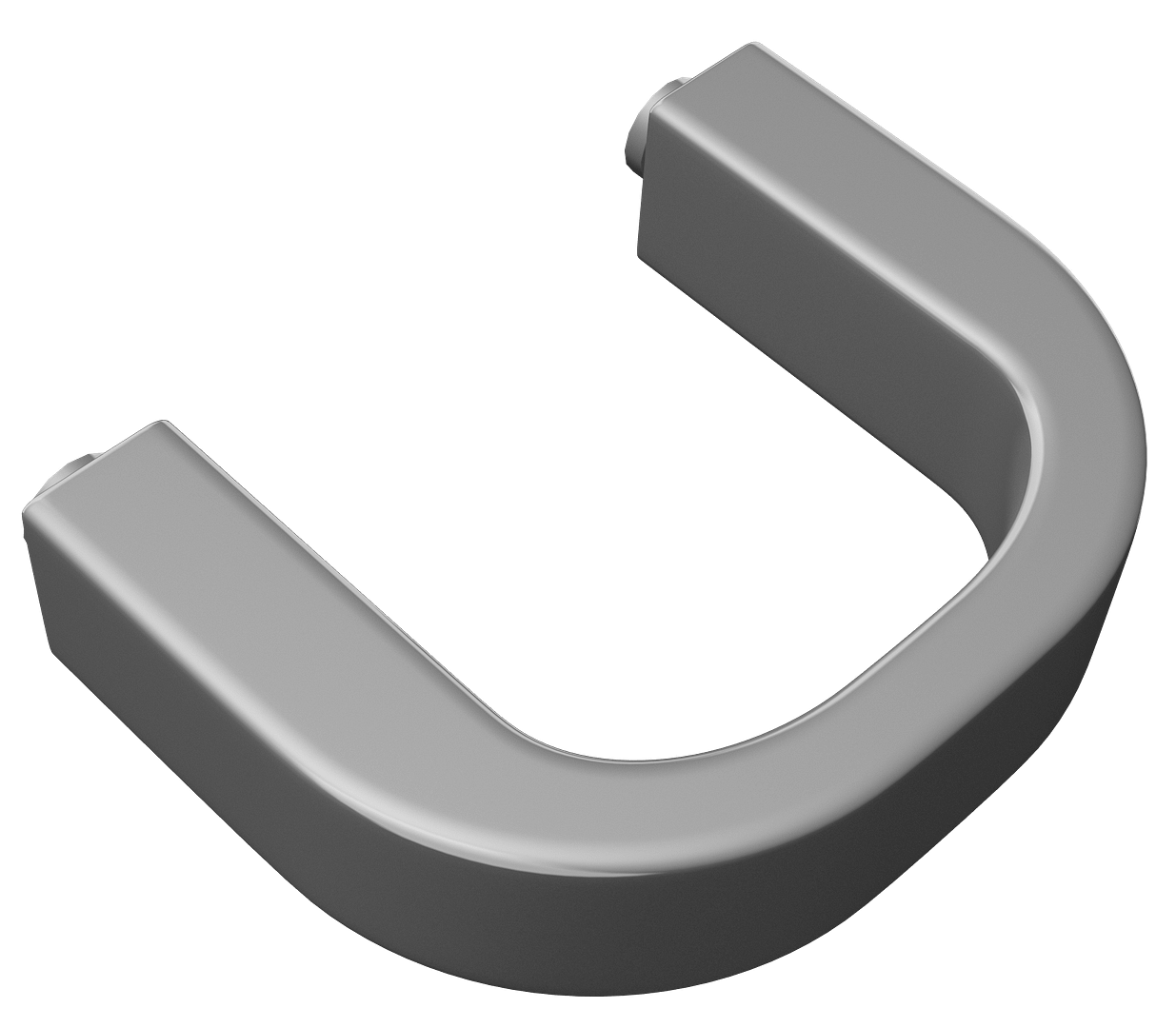
Hinge handles are space-saving mechanical grips designed with a fold-away function for compact rack environments. The hinged design provides added mechanical leverage during use, while precise positioning at 0° and 90° ensures the handle locks securely in place, eliminating rattling and reducing vibration noise during operation.
Ideal for manual operation, they can be easily deployed when needed and neatly stowed away when not in use, helping to maintain a clean, low-profile system design.
Smart Handles - Locking and Unlocking
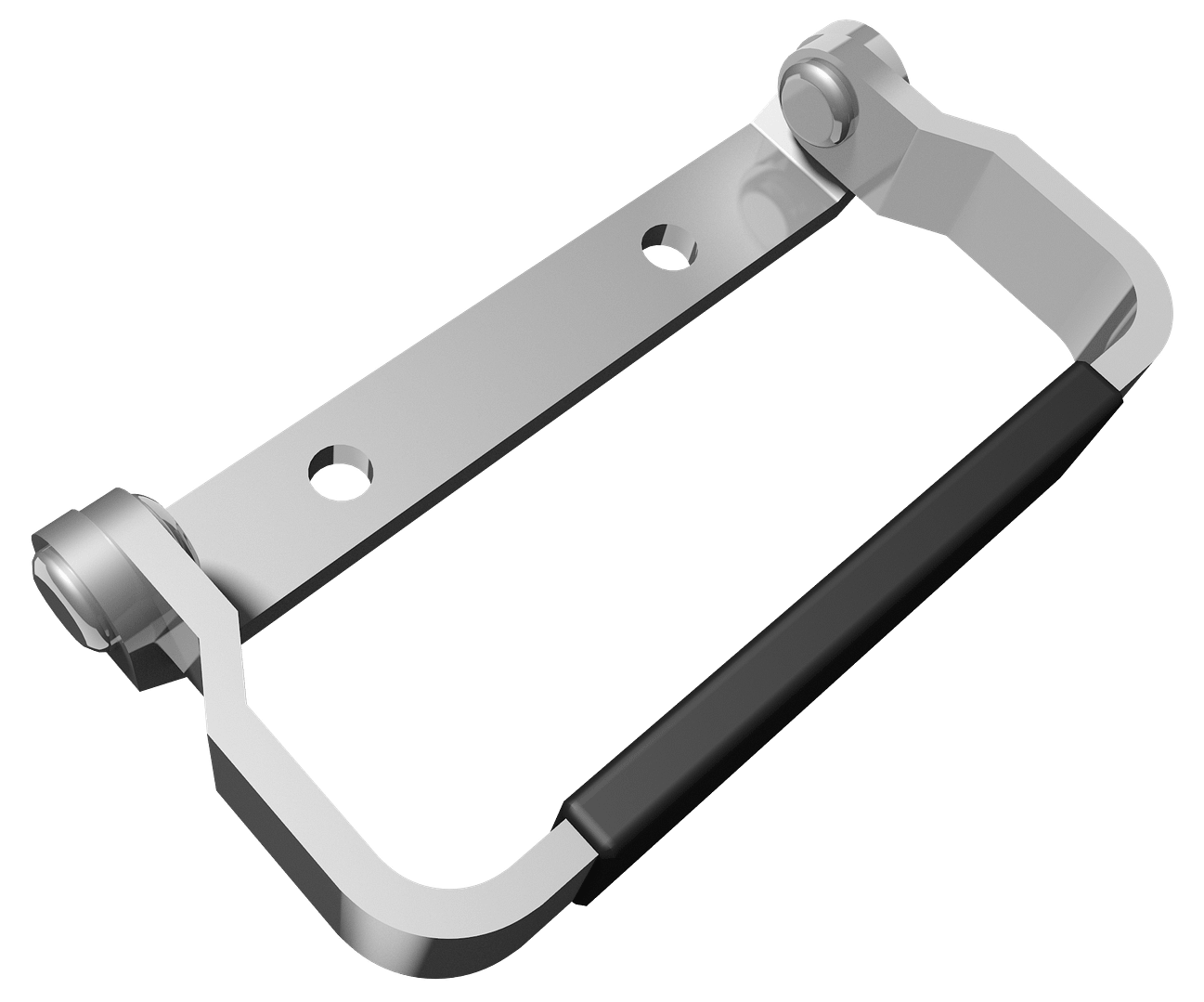
Smart handles are fixed, multifunctional components designed for secure retention and efficient assembly in server and data centre environments. With integrated locking capability, the handle secures components, such as PCB trays, firmly in place when positioned down, and releases them instantly when lifted, enabling quick removal without the need for screws.
The design leverages clinching technology for installation, eliminating manual fastening, reducing labor, and accelerating production. A precision hinge allows positioning at 0° and 90°, preventing vibration and noise while also enabling a fold-away, space-saving profile.
Manufactured from heat-resistant plastic, smart handles can be customised in colour, size, spacing, and length to meet specific design requirements. They are also compatible with plunger mechanisms, offering additional functional flexibility.
Tool-less by design, they integrate seamlessly into automated assembly processes, reducing manual intervention while delivering consistent, stable performance.